HOTFLASH INC.
Expert Panel
Selected by founder Ann-Marie McQueen to join Hotflash Inc.'s international panel of women's health experts.
Practitioner /
She connects the dots.
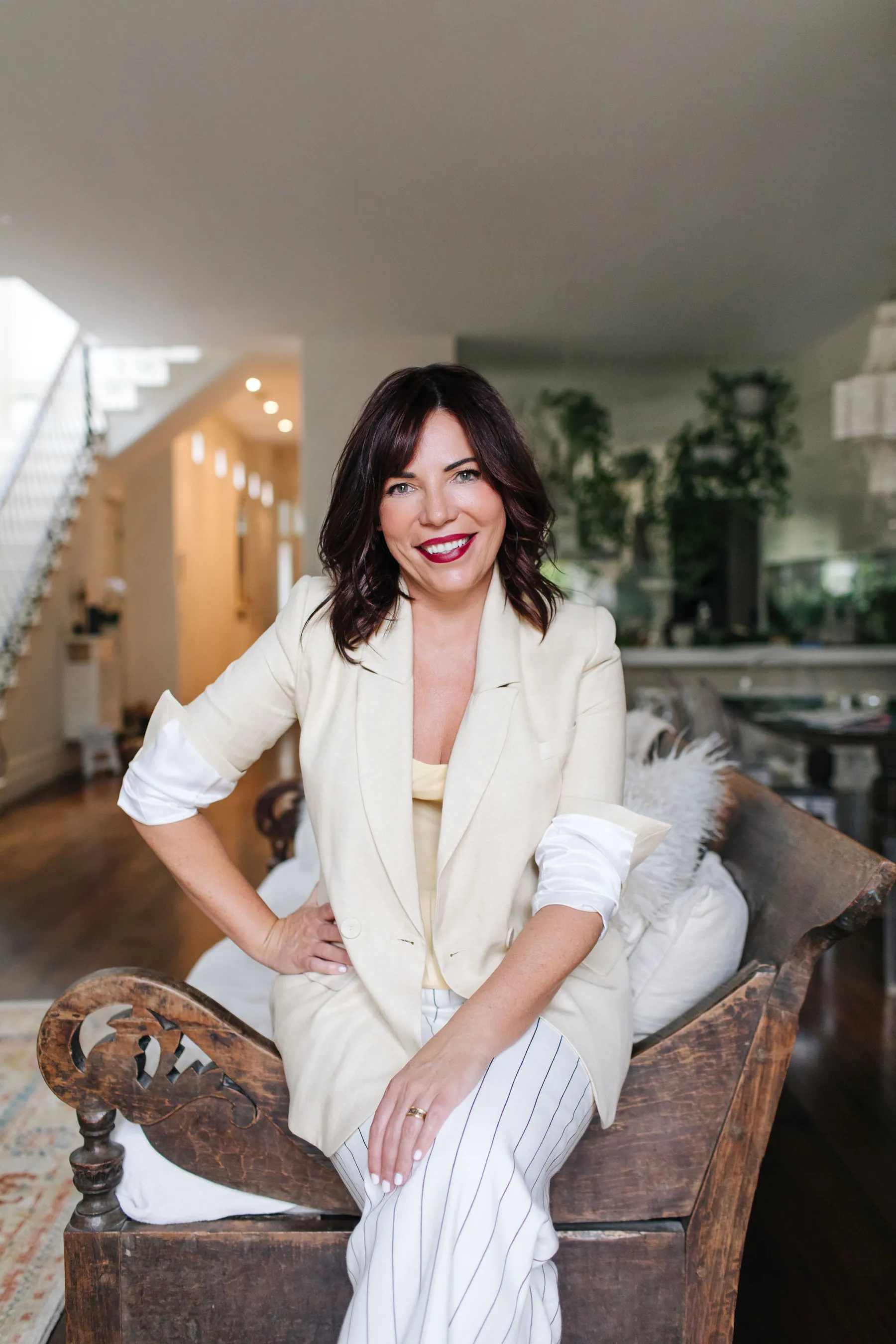
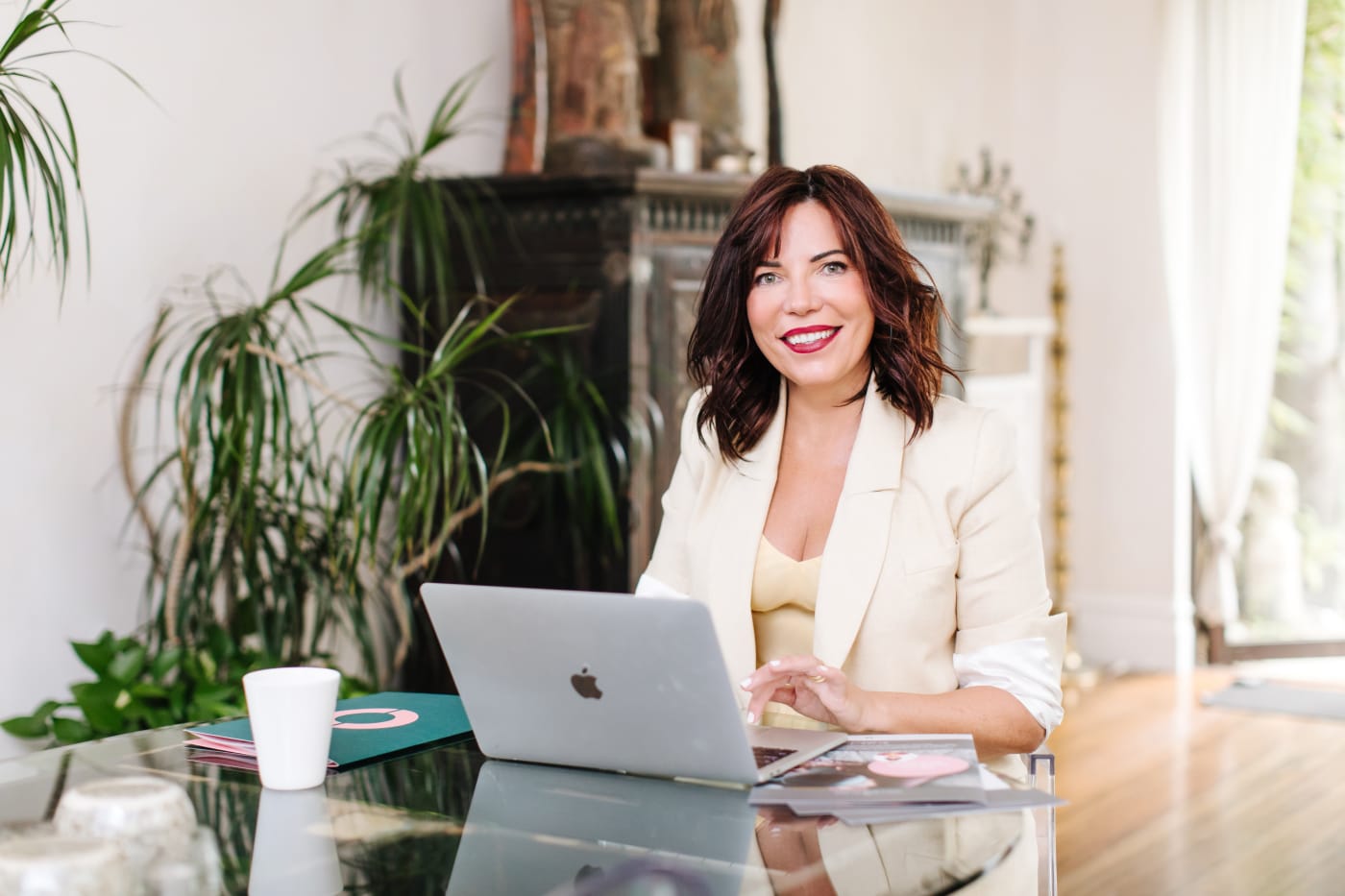
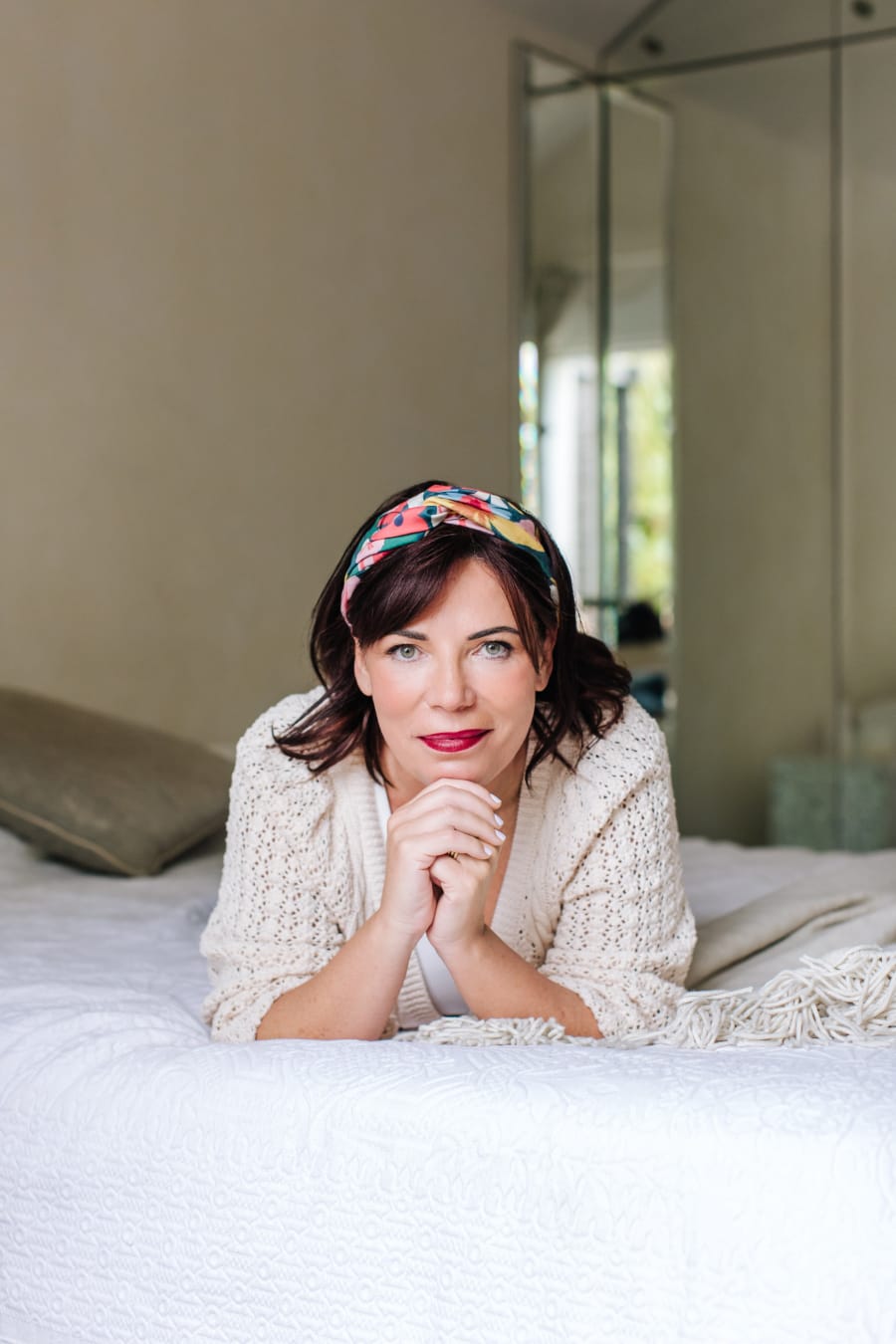
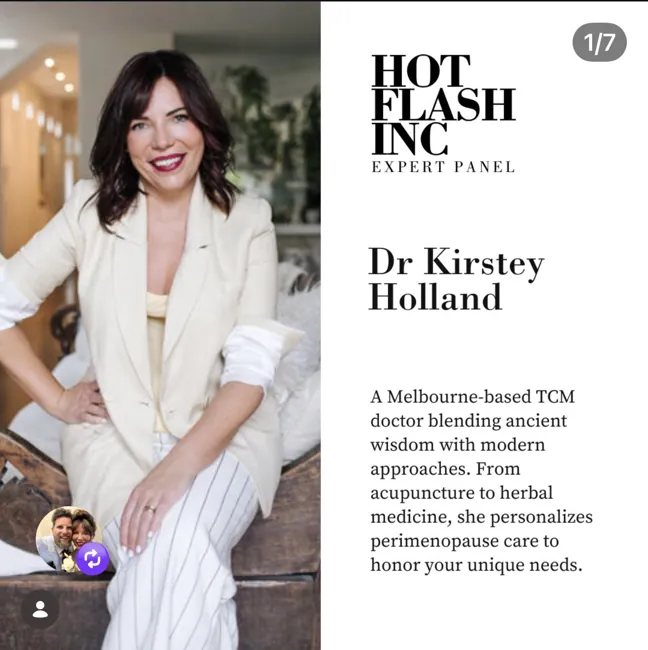
Dr Kirstey Holland O.M.D is a practitioner, mentor, speaker and author of This Is Perimenopause, with 26 years of clinical experience.
Kirstey brings 26 years of clinical experience, a university education in Traditional Chinese Medicine, and a multidisciplinary approach that draws on research across reproductive endocrinology, neuroscience, nutrition, metabolism and the biopsychosocial determinants of health.
A university-trained Doctor of Traditional Chinese Medicine with a double degree in acupuncture and Chinese herbal medicine, Kirstey is also trained in environmental and nutritional medicine, functional medicine, naturopathy, person-centred counselling, and trauma-informed health and wellness coaching.
She brings the systems thinking and interconnectedness of Eastern medicine into contemporary functional, integrative, nutritional and environmental medicine, viewed through a biopsychosocial lens.
Her patients often arrive with symptoms, test results and life experiences that appear unrelated. Kirstey's particular skill is connecting the dots: listening to the whole story, recognising patterns across systems, and translating complex physiology into language people can actually understand, use and apply.
She is interested not simply in what a woman is experiencing, but why these things may be happening together.
Food first. More tools, not fewer.
Kirstey's clinical approach is food first, followed by botanical, nutraceutical and psychobiotic medicine, with what she affectionately calls “a dusting of hormone therapy” where appropriate.
Her work goes deeper than symptom management through her framework of repairing the gut, rebalancing hormones, reclaiming metabolic health and releasing what a woman no longer needs to carry.
She does not practise from an either/or view of medicine. Earlier in her career, Kirstey taught GPs and pharmacists how functional medicine could be prescribed alongside orthodox medical treatment. Today, many of the women she works with take prescription medication, and she sees appropriate prescribing as another valuable tool in an individual woman's care.
The question is not which form of medicine wins.
The question is: what does this woman need?
That philosophy makes collaboration fundamental to her work. She has worked alongside GPs, gynaecologists and obstetricians, oncologists, gastroenterologists and other specialists, bringing her perspective to the wider clinical picture while respecting the expertise each practitioner contributes.

Dr Kirstey Holland O.M.D
My Mission
My mission is to change the narrative of women's health.
I know what it is to be the woman who falls through the cracks. I was a young woman who was suffering and desperately looking for help. The tools I was given did not work for me. It was only when I discovered that there were other ways of understanding my body, and other tools available to me, that I was able to restore my own health and access the vitality and vibrancy I had been missing.
That experience changed the course of my life and ultimately made me the practitioner I once needed.
Today, my mission is to make sure women know that there is more than one path to healing.
This matters profoundly in perimenopause. Perimenopause is a natural biochemical transition, sometimes described as a second puberty. Yet it is the second puberty nobody prepares us for. Women can find themselves in bodies and minds they suddenly no longer recognise, without understanding what is happening or knowing where to turn.
I want to change that.
I want women to know that perimenopause is a transition, not a permanent state of suffering. I want them to understand that there is no single treatment, prescription or pathway that is right for every woman. The right care should respond to the woman in front of us: her physiology, her history, her symptoms, her circumstances, her preferences and her life.
And I want to democratise access to that understanding.
Through my clinical work, my writing and tools such as the Vitality Tracker and Vitality Mirror, I want to put knowledge and meaningful personal data back into women's hands so they can recognise their own patterns, understand their physiology and make increasingly informed decisions about their health.
Because the ultimate purpose of my work is not to make a woman dependent upon an expert.
It is to help her become the expert in herself.
My Vision
I envision a world in which women no longer accept suffering as the inevitable price of being female.
A world in which a woman does not need to become desperately unwell before someone becomes curious about her whole story.
A world in which women understand their physiology before something goes wrong. Where the transition through perimenopause does not arrive without a map, and where menopause is understood not as an ending, but as another stage of a long, vital life.
I want healthcare to move beyond the idea that there must be one correct answer for every woman.
Instead, I envision healthcare that gives women access to knowledge, choices, tools and meaningful information about themselves, while recognising that different women may need different paths.
My vision is for every woman to become increasingly self-referenced and sovereign in her health: able to notice what is happening in her body, recognise her own patterns, understand what influences them, ask better questions and make informed choices about how she eats, sleeps, moves, thinks, connects, tests and prescribes.
Technology gives us an extraordinary opportunity to democratise something that was once available almost exclusively inside the consultation room: the ability to see ourselves more clearly.
My vision is therefore larger than a clinic, a book or perimenopause itself.
It is a future in which knowledge about women's bodies belongs to women.
And where the ultimate measure of good healthcare is not simply whether we treated a woman's symptoms, but whether we helped her understand herself well enough to participate fully in creating her own vitality.
What I Believe
I believe women deserve to feel well.
I believe society has demonstrated an extraordinary capacity to normalise women suffering, and that we have accepted far too many symptoms as simply the cost of menstruating, mothering, ageing or being female.
I believe a woman knows when something has changed, even when her tests say that everything is "normal".
I believe her story is data. A blood test is a snapshot. Her story is the movie.
I believe perimenopause is a natural biochemical transition, not a disease, but that natural does not mean women should simply endure suffering.
I believe perimenopause is temporary. With the right understanding, tools and individualised care, it is possible to restore greater stability and vitality while the body moves through this transition.
I believe there is more than one path to healing.
I believe medicine works best when we have more tools available to us, not fewer. Conventional medicine, Traditional Chinese Medicine, functional medicine, nutritional and environmental medicine, lifestyle medicine, counselling, coaching and appropriate prescribing can all offer valuable tools. The question should not be which philosophy wins. The question should be: what does this woman need?
I believe one size cannot fit all because women are not all the same.
I believe the body is interconnected. Hormones do not exist separately from the gut, metabolism, sleep, nervous system, relationships, environment, history or lived experience. Health is biological, psychological and social.
I believe healing has a hierarchy. Sometimes the intervention is less important than understanding what needs to happen first.
I believe women deserve access to their own information. Knowledge about our physiology should not belong exclusively to clinicians, institutions or laboratories.
I believe noticing changes everything. When a woman can see her own patterns without judgement, she can begin asking different questions and making different choices.
I believe good healthcare should increase agency rather than dependence.
I believe we should teach women how to understand their own bodies: how they need to eat, sleep, move, think, connect, test and prescribe in ways that support their individual physiology and circumstances.
I believe vitality is not something reserved for the young, the fortunate or the perfectly healthy.
Vitality is a birthright.
And above all, I believe the destination of good healthcare is a woman who increasingly knows herself.
A woman who can listen to her body without fearing it.
A woman who has choices.
A woman who can seek expertise without surrendering her own authority.
A woman who becomes a truly self-referenced, sovereign being.
That is the woman I needed someone to help me become. And that is the woman I want my life's work to help create.

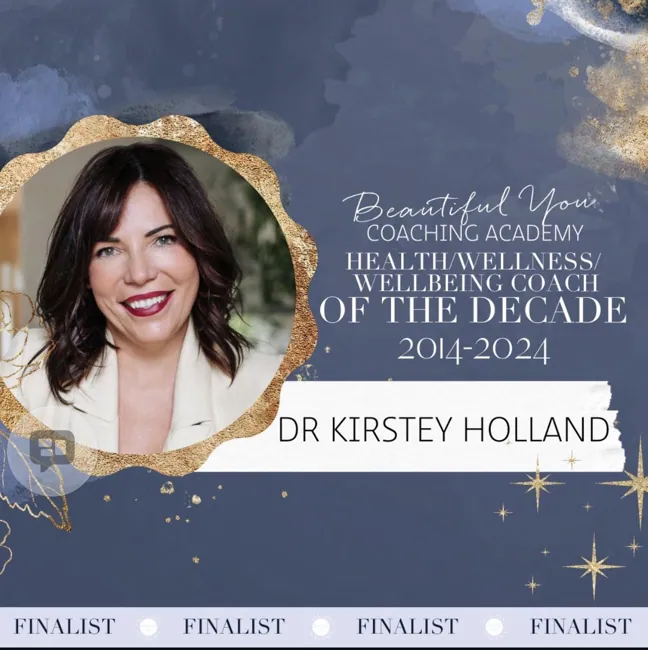
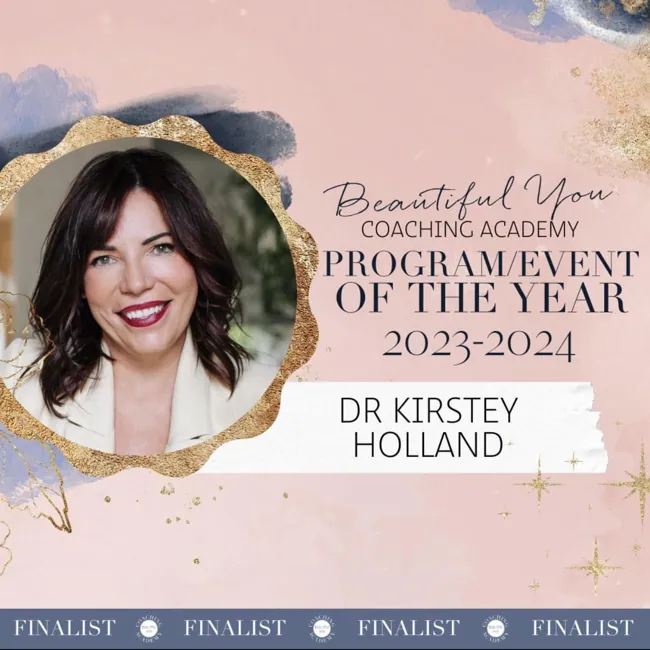
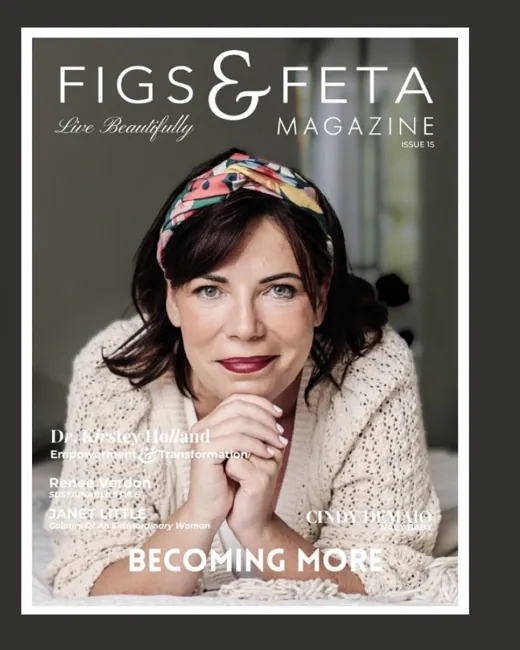
Recognition from the women's health community, coaching industry and media.
Patient Experience • Google Reviews
Across Dr Kirstey's reviews, the same qualities appear again and again.
Women describe leaving her care feeling more informed, more confident and, perhaps most importantly, more understood.
I can help you find anything on this site if you like. Tell me what you’re looking for.
I’m an AI, and I can’t give medical advice.
People often ask: